Snap-Proof and Sensible: Which Door Upgrades Actually Put Burglars Off?
Most burglaries at UK homes are not the work of criminal masterminds. They are opportunists trying a handle, checking a window, looking for a easy way in and a quick way out. That matters when you are choosing security upgrades, because the goal is not to build a fortress. It is to make your door look like a poor bet compared with the one three streets away.
Start with the cylinder, not the gadget
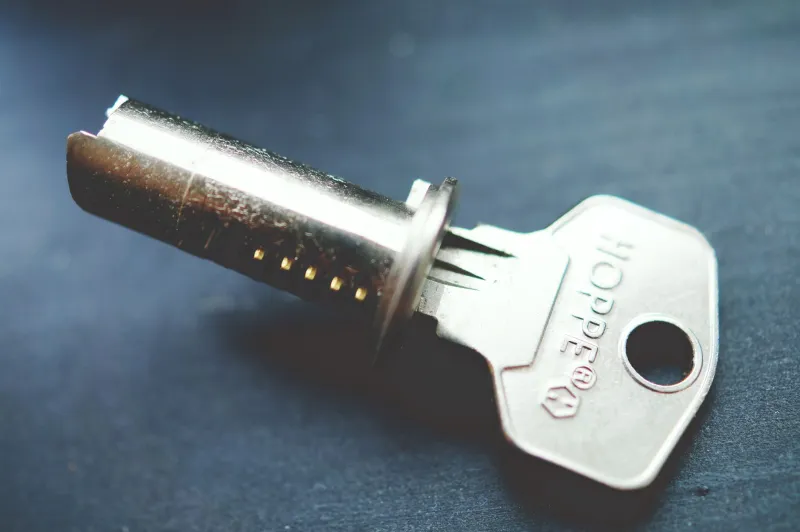
On a uPVC or composite door, the lock cylinder is the part that gets attacked first. A snap attack is quick, noisy but often effective, and it is exactly the sort of thing an opportunist may try if the door looks standard. A anti-snap cylinder with a TS007 three-star rating — or a one-star cylinder paired with a two-star handle — is the sensible baseline. It has been tested against snapping, bumping, picking and drilling, and it gives a locksmith something solid to work with.
A good locksmith will also check the door alignment and the handle height before fitting anything. A top-end cylinder in a badly aligned door is still a liability. The upgrade only works when the whole door is considered.
A BS3621 deadlock still earns its keep
On timber doors, a five-lever mortice deadlock to BS3621 remains the standard that many insurers and police crime-prevention officers look for. It is not glamorous, and it will not win any design awards, but it is recognised, testable and slow to force. If you have a night latch doing the main job, a British Standard deadlock is usually a more meaningful upgrade than another layer of shiny hardware.
Door limiters: cheap, useful and often overlooked
A door limiter or restrictor lets you open the door for ventilation or a delivery conversation without leaving it wide open. It is a small thing, but it is the sort of practical upgrade that suits real households. Fit one that can be overridden from outside only with a key, and check that it does not stop the door closing and locking properly. This is especially useful for front doors that open directly onto the street.
Lighting that looks lived-in, not floodlit
Motion-activated lighting near doors and side gates is a decent deterrent, but a permanently glaring floodlight can annoy neighbours and does not prove anyone is home. Dusk-to-dawn bulbs and a couple of well-placed motion sensors are usually enough. Police crime-prevention guidance tends to favour visibility and evidence of occupancy over brightness for its own sake. A dark doorway is bad; a light that switches on when someone approaches is better.
Three upgrades that mostly waste money
-
Uncertified “anti-snap” cylinders sold cheaply online. If the product does not carry a TS007 or comparable third-party mark, treat the claim as marketing until proven otherwise. A locksmith can tell you whether the cylinder is genuinely rated or just described that way.
-
Extra surface bolts bolted onto a door that already has a working multi-point lock. They can interfere with the door seals, look messy and give a false sense of security. On many modern doors, the multi-point system is doing more work than the owner realises.
-
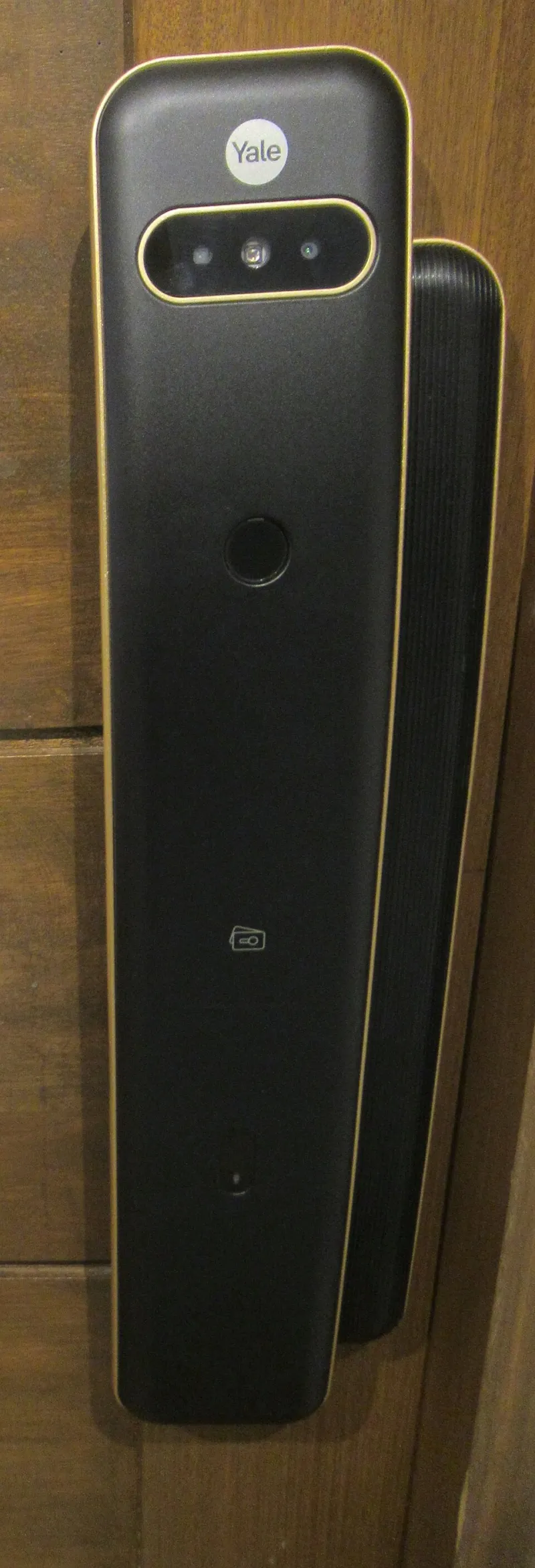
A budget keyless handle lock bought mainly because it looks futuristic. Unless it has a proper mechanical override and meets your insurer’s requirements, it is not a security upgrade — it is a convenience gadget with a battery.
What to do first
Ask a locksmith to look at the door, frame and cylinder together. The best upgrade is the one that fits the door you actually have and the way you actually use it. Keep receipts and specification sheets for insurance, and do not overlook the obvious: locked windows, a spare key that is not under the mat, and a neighbour who knows your routine. Security works best when it is layered, maintained and slightly boring.
If you are unsure where to start, begin with the cylinder and the main deadlock. Those are the parts an opportunist is most likely to test, and they are the parts where a sensible, certified upgrade makes the clearest difference.