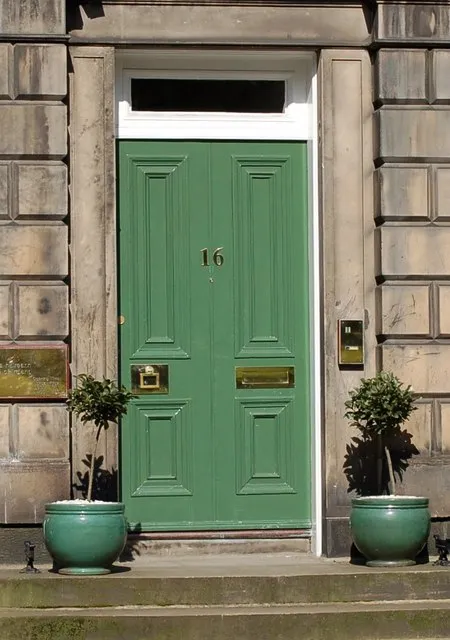
Tenant, Keyholder, or Both? Sorting Out Door Locks in a Rented UK Home

Photo: Rosalba Carriera, Public domain, via Wikimedia Commons
Ask a room of renters about door locks and you will usually get one of two stories. Either the landlord has never changed the lock since the last tenant, or the tenant has quietly swapped the cylinder and is now wondering whether the deposit will survive. Both are common. Neither is ideal. In 2026, with more of us renting for longer, it helps to know where the lines actually are — and where a polite email can save a lot of grief.
Read the tenancy agreement before you read the lock
Most assured shorthold tenancies in England, and their equivalents in Wales, Scotland and Northern Ireland, will say something about the landlord's responsibility for keeping the property secure. Often that means the exterior doors and windows should be in good repair. What it rarely says is ‘tenant may change the locks whenever they fancy.’ So start with the paperwork. Look for clauses on alterations, keys and access. If the agreement is silent, that is not a green light to drill — it is a reason to ask.
The golden rule: permission before the drill
Changing a lock without permission can be treated as a breach of tenancy, even if your intentions are purely about safety. It can also leave you liable for putting things right at the end. The sensible route is to email the landlord or letting agent, explain the concern and ask for written permission to change the cylinder or fit additional security hardware. Keep the reply. If they say yes, ask whether they want a copy of the new key and whether they have a preferred locksmith. If they say no, ask them to address the security issue themselves — in writing.
When you can act more quickly
If a lock is broken, unsafe or has failed altogether, report it immediately. Landlords are generally responsible for repairs to the structure and exterior security of the property. A lock that will not secure the door is not a cosmetic issue. If you are locked out, call a locksmith and be clear about your situation. If the lock has failed through wear, that is usually a repair matter for the landlord. If you have lost the key, the cost is more likely to fall to you. Either way, avoid forcing the door — a damaged frame turns a small lockout into a much bigger bill.
Keys, keyholders and the spare-key question
Many landlords or agents hold a spare key for emergency access. You can ask who holds it and how it is stored. If you would rather have your own lock and provide a copy, put that request in writing and get agreement first. If a key safe is used, make sure the code is changed when tenants change and that it is not shared more widely than necessary. And think twice before giving a spare to a neighbour you barely know — convenience and security are not always the same thing.
Insurance, deposits and the paper trail
Contents insurance is worth checking before you change anything. Some policies ask about the type of lock on exterior doors, and a few specify minimum standards. If you are in a flat with a communal entrance, the freeholder or management company may control the main door, so ask before assuming you can alter it. As for the deposit, the safest approach is boring and effective: take dated photos before and after any change, keep receipts, save the permission email and note the key handover. If you move out, agree in writing whether the original lock is being refitted or whether the new one stays.
Emergency access and the locksmith conversation
Keep a reputable local locksmith's number saved in your phone — not one from a leaflet pushed through the door at midnight. When you call, have proof of address and identification ready. If you rent, the locksmith may ask whether you are the tenant and whether the landlord knows. That is normal. A good locksmith will not break into a property on your word alone, and you should be wary of anyone who offers to. If your agent has an out-of-hours number, use it. If the landlord is uncontactable and the door will not secure, a locksmith can make it safe and you can document everything afterwards.
What to document, and why it matters
Keep a simple folder — digital or paper — with the tenancy agreement, the permission email, the locksmith's invoice, photos of the old and new lock, and a note of who holds which key. It sounds fussy until there is a dispute about the deposit or an emergency access request. It also makes you a more confident tenant: you can show that you asked, that you acted reasonably and that the property is more secure as a result. Renting does not have to mean living with a lock you do not trust. It just means doing it in the right order.