Shorter Days, Safer Doors: A Late-Autumn Walk-Through for UK Homes
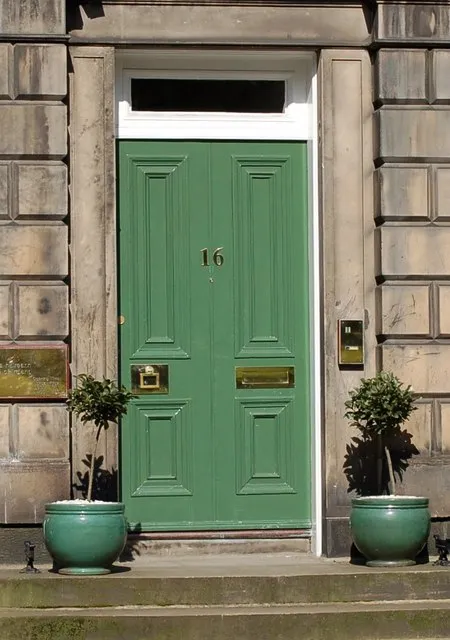
Photo: Paul McIlroy, CC BY-SA 2.0, via Wikimedia Commons
There is a particular moment in early November when the afternoon seems to give up halfway through. By 7 November 2026, most of us are leaving for work in the half-light and coming home in it too. That shift changes how a house feels — and it changes how a house is watched. A late-autumn door audit is not about turning your home into a fortress or spending a fortune on gadgets. It is about spending twenty minutes with a torch, a critical eye and perhaps a screwdriver, finding the weak spots before the darker evenings do the finding for you.
Start where most people start: the front door
Stand on the doorstep and look at the door as if you were arriving for the first time. Is the paint or uPVC clean and intact, or are there cracks and gaps that suggest movement? Open and close it slowly. It should latch with a satisfying click, not a rattle. If you can see daylight around the frame, the seal has gone and the door may not be sitting squarely in its frame — worth mentioning to a locksmith before it becomes a draught-and-security problem.
Check the lock itself. A British Standard kitemark and a recognised rating such as PAS 24 or BS 3621 are reassuring signs, but they only matter if the lock is fitted properly and working smoothly. A stiff key is not just annoying; it can mean the cylinder is worn. Do not drown it in WD-40 and hope for the best. A locksmith-approved graphite powder or a proper service is gentler on the mechanism. If your cylinder sticks out like a thumb, it may be vulnerable to snapping — an anti-snap cylinder is one of the few upgrades that genuinely earns its keep.
The back door and the side gate
The back door is often the quieter entrance and, for that reason, the one that gets less attention. Check the hinges: are the hinge bolts visible and secure? If the door opens outwards, are the hinges protected? A simple hinge bolt or pair of security hinges is a small job with a decent payoff. Look at the frame too — a solid lock in a soft frame is like a good padlock on a paper bag.
Then walk the side return. Garden gates are frequently the weakest link in the chain. Does the latch actually catch, or does it need a lift and a shove? Is there a padlock that has seized solid since summer? A gate that swings open in the wind is an invitation to look further. If you have a shed or garage near the gate, check that it is not providing a handy step-up or a hiding place. Bins, wheelie boxes and garden furniture can all become climbing aids without anyone meaning them to.
Light and sightlines
Outdoor lighting is not about floodlighting the entire street. It is about removing dark pockets around doors and gates. A motion-sensor light over the back door, a dusk-to-dawn bulb in the porch and a well-placed light near the side gate are usually enough. Check that existing lights actually work before the darker evenings settle in — a dead bulb is an easy fix that too many of us ignore until January.
Inside, think about sightlines. Can someone at the front door see that the house is occupied, or does it look like a show home after hours? Timer switches and smart bulbs are useful, but they work best when they mimic normal life rather than switching every lamp on at 6pm and off at 11pm. A radio on a timer in the kitchen is an old trick that still has its uses.
Spare keys and the usual hiding places
The fake rock. The plant pot. The key under the mat. The little magnetic box on the wheelie bin. We know these places because everyone knows these places. If a spare key is genuinely needed, give it to a trusted neighbour you actually speak to, or use a key safe with a combination that is changed when anyone moves on. Check that the key safe is fixed securely and that the code is not the house number or the year.
Small fixes worth doing before December
This is not a renovation list. It is a short, practical one: tighten strike plates, fit a door chain or limiter if you have none, check window locks on the ground floor, and make sure any keys you keep indoors are not visible through the letterbox. If you rent, keep receipts and permission emails — more on that in our renting guide. If a lock is stiff, damaged or clearly old, get it looked at now rather than on the night it fails.
When to call a locksmith
If a lock is snapped, a uPVC mechanism is grinding, or a door has swollen and will not close properly, stop. These are not jobs for an afternoon of YouTube and optimism. A reputable local locksmith can assess the door, explain the options and fit hardware that suits the property. Ask for identification, check reviews and be wary of anyone who turns up uninvited after a cold call. The aim is not to scare you into unnecessary upgrades — it is to make sure the doors you already have are doing their job. Darker evenings are a good prompt, but they are not a reason to panic.