When the Lights Go Out: A Smart-Lock Blackout Test for UK Renters
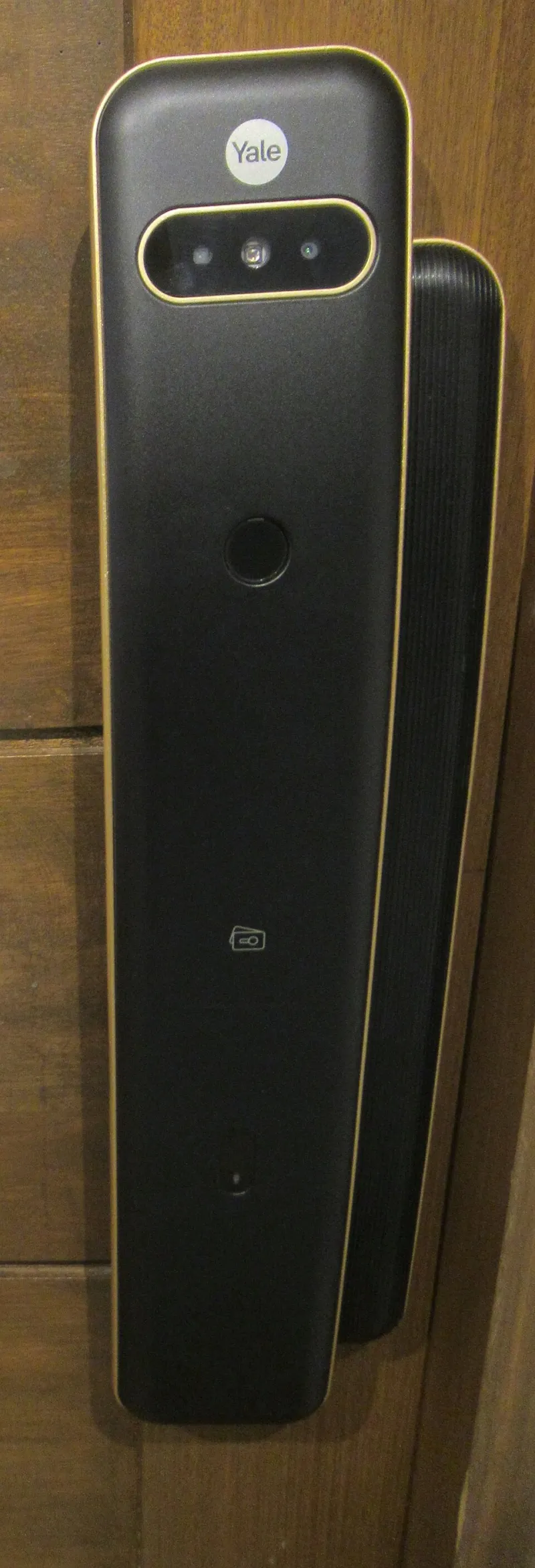
Photo: Unknown, CC BY-SA 4.0, via Wikimedia Commons
Smart locks are sold on convenience: no fumbling for keys, a code for the dog walker, a phone alert when the door opens. In a UK winter, though, power cuts and flat batteries are not exotic events. They are ordinary interruptions. If you rent a home with keyless entry — or you are thinking about asking your landlord for it — it is worth knowing what happens when the electronics stop cooperating.
Most smart locks are not running off mains power
Most residential smart locks are battery-powered, even if they are controlled by an app. That is good news in a power cut, because the lock is not necessarily dead just because the lights are. But it also means the battery is your real weak point. A motorised deadbolt may fail locked or unlocked depending on the design. A keypad may go dark. The app may lose connection because your broadband router is down. None of that is a disaster if the lock has a mechanical override.
The override is the whole ball game
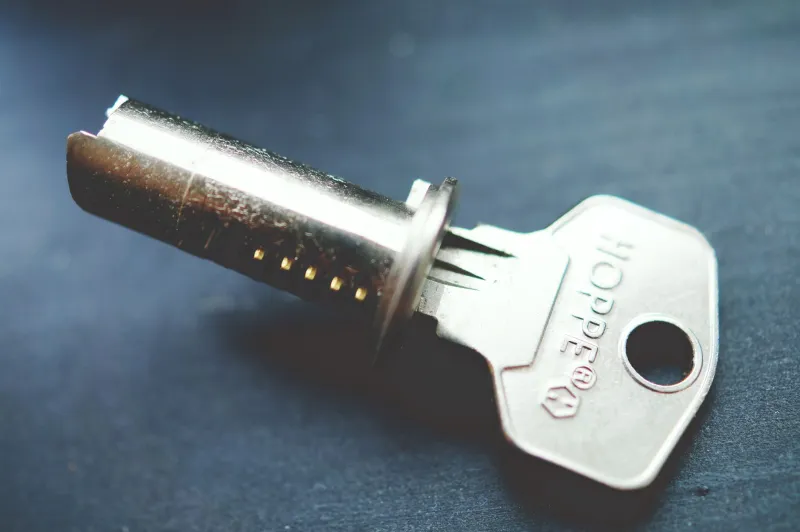
Look for a physical key cylinder, a hidden keyhole, or emergency battery terminals. Some locks accept a 9V battery to wake them up when the internal cells are flat. Others have a key override that works even when the electronics are completely dead. If your lock has no manual way in, it is not suitable for a household that might need emergency access — and that includes renters who cannot drill or replace the door without permission.
Low-battery warnings are not nagging
Replace the batteries before winter, not when the lock starts complaining. Use the type the manufacturer specifies. Mixing brands, or using rechargeables in a lock designed for alkalines, can cause misleading warnings and shorter run times. Test the key override while you are thinking about it, because a key that has never been tried is not really a backup plan.
A 15-minute pre-winter test
-
Check the app’s battery level and replace the batteries if they are below about 30%. If the lock does not report a percentage, use the manufacturer’s guidance or replace them annually.
-
Lock and unlock manually with the key. It should turn smoothly, without forcing.
-
Lock and unlock with the keypad and the app. If either feels sluggish, deal with it now rather than on a dark evening.
-
Turn off your Wi-Fi briefly and see whether the lock still works locally. Some locks need the hub; some do not. Know which one you have.
-
Make sure every household member knows where the emergency key is and how to use it. That includes the person who is least interested in the app.
-
If you rent, check your tenancy agreement before changing anything. Many UK tenancies require written permission for lock changes, even reversible ones.
Renters: consent, restoration and a plan B
If you want a smart lock in a rented home, ask the landlord or letting agent in writing. Keep the original lock and cylinder so the door can be restored at the end of the tenancy. Tell your landlord what you have fitted, and check whether it affects your contents insurance or the landlord’s building insurance. A lock that is convenient but unapproved can become a deposit dispute later.
It is also worth agreeing an emergency access plan. Who has a key? Who has the code? What happens if the battery dies while you are at work? A spare key with a trusted neighbour or in a key safe is often more useful than another app notification.
When the power fails, do not panic
Use the key first. If there is no key, call a locksmith. A professional can often open a smart lock without drilling, but only if you can prove you live there. Keep the manufacturer’s instructions and your proof of address somewhere you can find them without opening the door. The aim is not to distrust the technology. It is to make sure the technology is not the only thing standing between you and your front room.