Frost on the Handle: Why Your Lock Hates a Cold Snap and What to Check
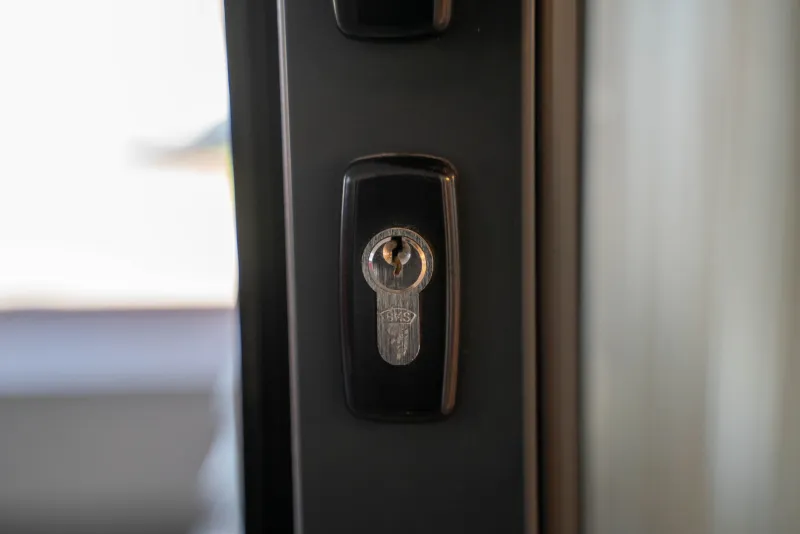
There is a particular sound a front door makes on a freezing morning: key in, key turns halfway, then a small metallic complaint. It is tempting to blame the lock, give the key a firmer twist, and mutter something about the weather. Usually the weather is exactly the problem — but that does not mean the door should be left to fight through winter on its own.
Why cold weather makes locks grumpy
Locks are small pieces of precision metal sitting in a very exposed place. When temperatures drop, several things happen at once. Metal contracts slightly, lubricants can thicken, and any moisture that has found its way into the cylinder or latch can freeze. Timber doors can swell with damp, while uPVC and composite doors can shift just enough to make the latch line up a little differently than it did in September.
Smart locks have their own winter mood. Cold reduces battery performance, keypads can become sluggish, and condensation around the seal is never helpful. None of this automatically means the lock is failing. It does mean a bit of attention now can save you a very cold, very inconvenient call-out later.
Warning signs worth taking seriously
A lock that is merely cold often feels stiff but still turns smoothly once the key is fully seated. A lock that is struggling may give you different signals:
- The key feels gritty or crunchy, as though there is grit inside the cylinder.
- The key goes in only part of the way, or needs a wiggle that was never necessary before.
- The handle feels loose, droopy, or springs back slowly.
- The latch no longer clicks cleanly into the strike plate, and the door needs a push or lift.
- You can see condensation, frost, or a damp patch around the cylinder or handle.
- A smart lock reports a sudden battery drop, fails to wake up, or rejects a code that usually works.
If the key turns but the door still will not sit securely, the issue may be alignment rather than the lock itself. That is common in winter when a door swells or a hinge settles. It is also the kind of thing that gets worse if you keep slamming the door and hoping it will sort itself out.
A ten-minute cold-snap check
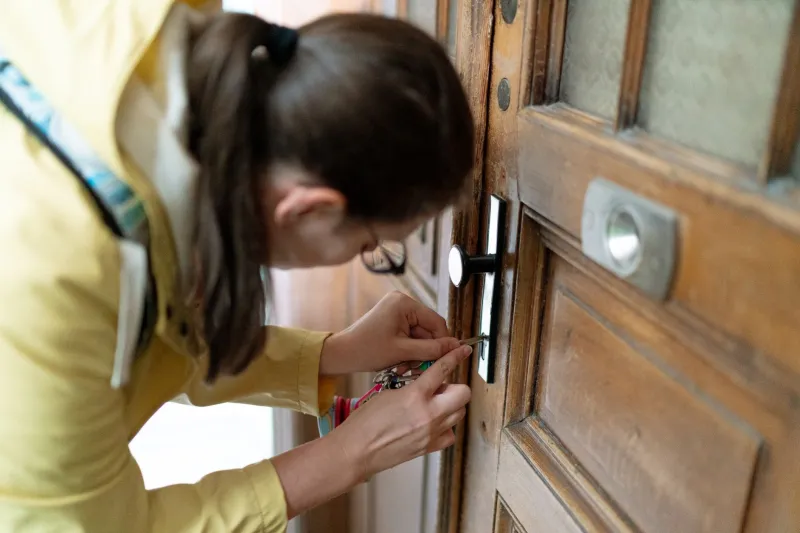
Start with the key. Insert it slowly and see whether it reaches the same depth as usual. It should turn with steady pressure from your fingers, not a white-knuckle twist. If it feels rough, stop. Forcing a stiff key is how keys snap, and a snapped key in a frozen cylinder turns a small annoyance into a locksmith job.
Look at the door edge and the strike plate. Is the latch catching cleanly? Are there fresh scrape marks on the metal? Does the door rattle when you press it? A little movement is normal, but a door that has to be lifted, pushed, or persuaded is telling you the alignment has changed. In cold weather, that may be damp swelling or a hinge issue rather than a failing lock.
Give the exterior furniture a quick once-over. Handles should be firmly attached, and the cylinder should sit flush without wobbling. If you have a cylinder shield or a handle with a built-in cover, make sure it moves freely and is not packed with ice or grit. Clear any debris from the threshold and the area around the door so water can drain away rather than sitting against the frame.
For smart locks, check the battery level in the app and keep a spare set of the correct batteries indoors. Cold weather can make a weak battery fail earlier than expected. Make sure the physical key or override method still works, and that you know where it is. A smart lock with a flat battery is still a lock — just not a very cooperative one.
Lubrication: less is more
A common winter mistake is reaching for whatever is under the sink. Cooking oil, thick grease, and general-purpose spray can attract dirt and gum up the mechanism over time. A small amount of a lock-specific dry lubricant, such as a PTFE spray, is usually a better choice. Apply sparingly to the cylinder and moving parts according to the product instructions, then wipe away any excess.
Do not spray indiscriminately into a smart lock. Electronic locks have seals, sensors, and battery compartments that do not appreciate a casual blast of lubricant. Follow the manufacturer's guidance, and if the lock is still under warranty, check what they recommend before you start spraying.
What not to do when the lock freezes
Do not pour hot water over the lock. It may free things for a moment, but it can refreeze quickly and make the situation worse. Do not use a hairdryer on a high setting right against the door, especially on uPVC or composite surfaces, and do not try to thaw a smart lock with anything that could damage the electronics.
Most importantly, do not keep forcing a key that will not turn. If the key is stuck, leave it in place if it is safe to do so and call for help. If it has already snapped, do not try to dig it out with a screwdriver or a kitchen knife. That is how a simple extraction becomes a cylinder replacement.
When to call a locksmith instead
Call a locksmith if the key snaps, the cylinder spins freely, the lock will not secure the door, or the door will not latch at all. The same applies if a smart lock has failed repeatedly in cold weather, if the handle feels disconnected from the mechanism, or if you are locked out and the door is not responding to the usual key. A professional can check alignment, adjust the strike plate, replace a worn cylinder, and confirm that the door is actually secure rather than just closed.
If you rent, it is worth contacting your landlord or letting agent before arranging non-emergency work. For an emergency lockout or a door that will not secure, a locksmith is the sensible call — but keep the receipt and let the landlord know what happened.
A cold snap does not have to mean a cold, stiff front door all winter. A quick check, a little sensible lubrication, and a willingness to stop forcing things will keep your lock happier until the warmer weather arrives.