The Tiny Doorway: A Practical Letterbox Security Check for UK Homes
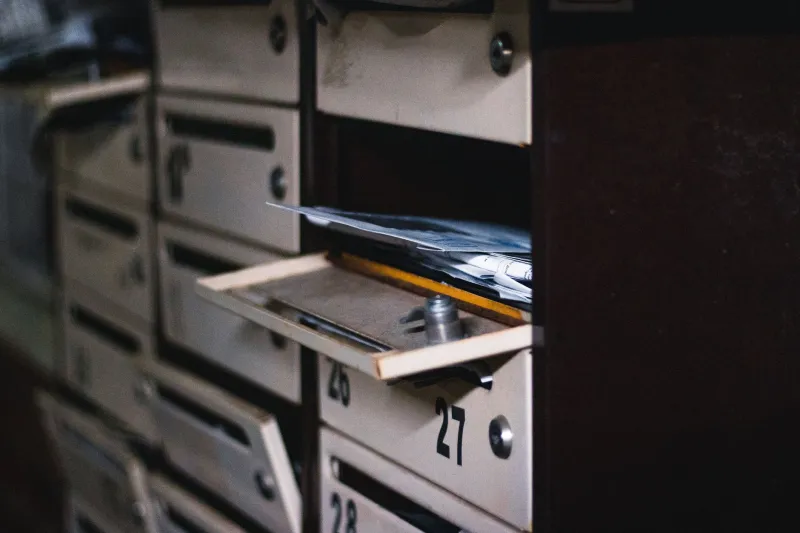
A letterbox is easy to ignore. It is just a slot in the door, a bit of draught, a daily shuffle of envelopes and takeaway menus. But it is also a small opening into your home — and burglars know it. The technique is usually called fishing: a bent wire, hook or magnet pushed through the slot to reach keys, pull an internal handle, or probe how a lock is set up. It is rarely dramatic. It is opportunistic, quiet and quick, which is exactly why it works.
The good news is that letterbox security is mostly common sense plus a few physical fixes. You do not need to turn your front door into a fortress. You just need to make the slot less useful to anyone standing on the wrong side of it.
How a letterbox becomes leverage
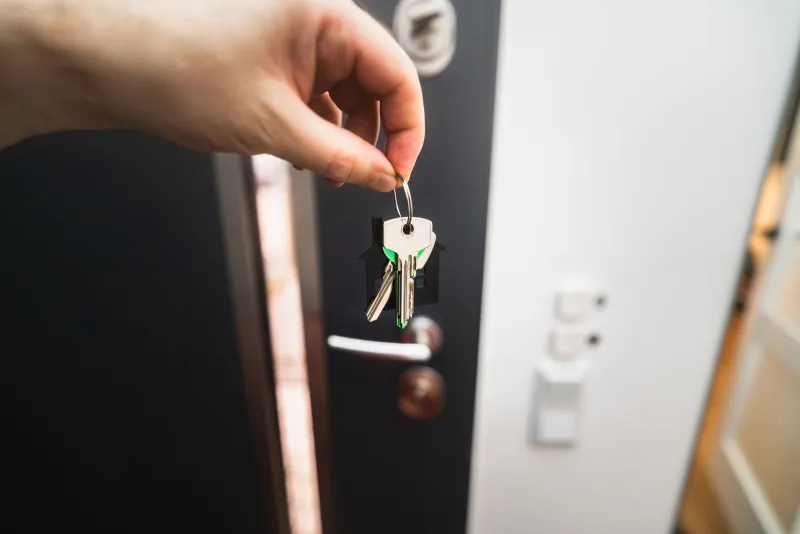
Most letterbox fishing starts with something the burglar can see or guess. Keys hanging just inside the door are the classic target. So are keys in a bowl on the hall table, a spare set on a hook, or a handbag left within hooking distance. Keeping keys out of sight helps, but it is not always enough. A wire can fish around a corner, under a shelf or into a shallow bowl. If the keys are close to the door, they are still in range.
The second target is the internal handle. On some doors, especially where the letterbox sits close to the handle, a hook can be used to pull the handle down. If the door is not deadlocked, that can be enough to open it. The third target is the lock area itself: checking whether a key has been left in the cylinder, whether a thumbturn is reachable, or how the door is set up. A burglar may also simply use the letterbox to listen, look or judge whether anyone is home.
This is why 'the keys are out of sight' is only half a plan. The slot itself still needs to be considered.
The two-minute check from inside
Stand inside your closed front door and look at the letterbox. Then ask yourself a few blunt questions.
- Can I see keys, a bowl, a hook or a bag through the slot?
- Is the internal handle within easy reach of the letterbox?
- Could a bent wire reach a shelf, table or key rack just inside the door?
- Are any keys currently left in the lock?
- Does the letterbox flap open easily and widely?
- Is there an internal guard, cage or restrictor fitted?
- Is the door deadlocked when you are out, or just pulled shut?
- Is the door chain within reach but not actually used when answering?
If you can answer 'yes' to the first four, you have something to fix. If the flap opens wide enough to pass a hand or a stiff wire, a guard is worth considering. If the door is only on the latch when you leave, start there: the letterbox is not the main problem, the locking habit is.
Guards, limiters and brushes
An anti-fishing letterbox guard is the most direct fix. These are internal plates, cages or hoods that sit behind the slot and stop a wire from being angled down or sideways into the hall. Some are simple metal boxes; others are sloped covers that let post drop in but make fishing awkward. A letterbox limiter or restrictor works in a similar way by reducing how far the flap opens.
Brushes and draught excluders are useful for weather and can slow a hand or wire, but they are not a security barrier on their own. Do not rely on a brush strip to stop a determined fisher.
For timber doors, a screw-fixed internal guard is usually straightforward. For uPVC and composite doors, choose a guard designed for the door type and fit it without interfering with the door's seals, glazing or locking mechanism. If you rent, ask the landlord before drilling. A removable internal guard or a letterbox restrictor that fits the existing frame may be a better renter-friendly option, but check that post still lands inside and that the door closes properly.
Cylinders and handles: what actually matters
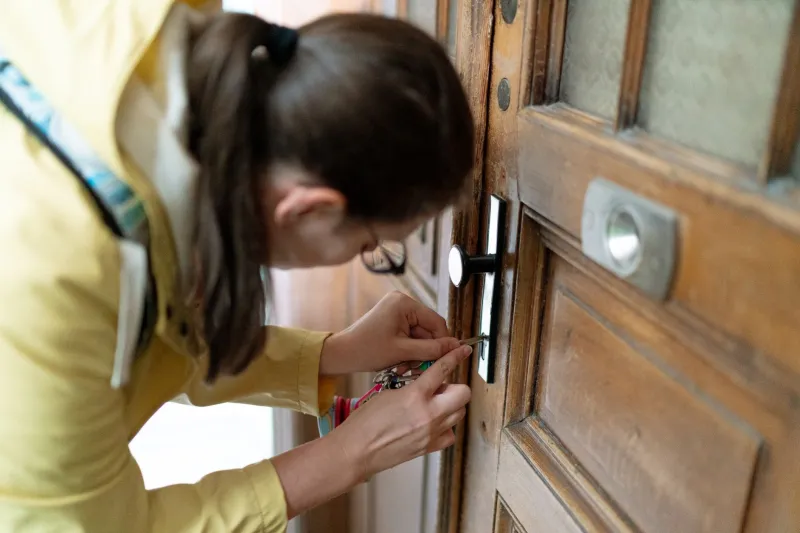
A letterbox is not usually the way someone defeats a good cylinder. The bigger risks are keys left in the lock and handles that can be hooked from the slot. So keep keys out of the cylinder when you are inside, and do not leave a spare set dangling near the door.
If your internal handle sits close to the letterbox, consider a guard that blocks the angle. On some doors, a handle with a smoother, tighter profile gives a hook less to catch on. If you are replacing a letterbox or door furniture, look for anti-fishing designs rather than just the cheapest slot cover. And if your door has a thumbturn inside, make sure it is not reachable through the slot — most are not, but it is worth checking rather than assuming.
Door-chain etiquette
A door chain is for those moments when someone knocks and you are not sure. Use it before you open the door, check who is there, and keep the chain on while you talk. Do not let a caller talk you into unhooking it 'just to sign' or 'just to check the meter'. Ask for ID and verify it through the closed door if needed.
But a chain is not a substitute for locking up when you go out. It is also not much use if keys are hanging within fishing distance of the letterbox. The chain and the letterbox need to work together: chain on when answering, keys away from the door, deadlock on when leaving.
Renter-friendly fixes for timber, uPVC and composite doors
If you rent, start with habits and ask before making holes. Keep keys in a drawer rather than on a hall hook. Use the deadlock every time. If the letterbox is large and close to the handle, ask the landlord whether an anti-fishing guard can be fitted. A removable internal cover or a restrictor may be acceptable where a screw-fixed cage is not.
For timber doors, an internal cage is often the simplest upgrade. For uPVC, look for a guard that suits the letterbox style and does not block the door's drainage or seals. For composite doors, use a manufacturer-approved or door-specific fitting where possible; these doors are expensive to damage and often have tightly designed hardware. If you are unsure, a locksmith can advise without turning it into a major job.
A small routine that makes a difference
At Leethel Locksmith, the advice we give most often is boring but effective: treat the letterbox like a tiny doorway. Keep keys and valuables out of its reach, check that the internal handle cannot be hooked, fit a guard if the slot is wide or close to the handle, and use the deadlock when you leave. Test the letterbox after fitting anything — post should still land inside, and the door should still close and lock smoothly.
It is a small check, but it closes off one of the quietest ways into a home. And in autumn and winter, when doors are closed more often and keys end up near the hall table, that is exactly the sort of detail worth sorting out.