Your Doorbell Watches, It Doesn’t Bar the Door: A Practical UK Security Check
Video doorbells have settled into UK life nicely. They let you see a courier before you open up, have a word with someone at the step and keep a clip of the caller you missed. That is genuinely handy. But there is a quiet misunderstanding that comes with all that convenience: the feeling that because the door is being watched, the door is somehow safer than it really is.
A camera can watch. It cannot bar the door. It does not throw a deadbolt, strengthen a strike plate or stop a handle from turning. As we head through another darker late-autumn stretch, it is worth separating what the doorbell does from what the lock does, and then making both do their jobs properly.
What a video doorbell actually changes
The honest answer is: deterrence, evidence and convenience. A visible camera can put off an opportunistic caller. A recording can help if a parcel goes missing or someone tries the handle. And being able to speak to a visitor without opening the door is useful, especially if you live alone or work odd hours.
What it does not change is the physical resistance of your front door. If the frame is soft, the lock is tired or the door has been left on the latch, the camera will simply record the result. That is not a reason to bin the doorbell. It is a reason to stop treating it as the security system and start treating it as the receptionist.
The blind spots you stop noticing
Most doorbell cameras are fitted with a wide lens, but wide does not mean complete. A camera mounted too high often shows a lovely view of the road and the top of a visitor’s head, while missing the threshold, the letterbox and the lock. A camera pointed too low can miss the approach to the door altogether.
Have a look at your live view at different times of day. Can you see the doorstep where parcels are left? Can you see the door handle, the cylinder and the frame around the lock? If someone stood close to the door and tried the handle, would the camera capture it clearly, or would you get a blurry shoulder and a slice of wall?
For terraced streets, flats and shared entrances, placement needs a bit more thought. You want the camera to cover your own door and immediate approach without giving neighbours or passers-by the feeling they are being filmed for no reason. A quick check of the angle before drilling is far easier than moving it afterwards.
Night-time clarity is conditional
Doorbell cameras are much better after dark than they used to be, but they are not magic. Infrared can wash out faces, especially if someone is wearing a hood or standing close to a reflective door. Street lighting, porch lights and condensation on the lens all change the picture. Heavy rain or a dirty lens can turn a useful clip into a smudge.
A simple porch light on a timer or sensor often helps more than any camera setting. It lights the visitor for the camera and makes the door look occupied. Keep the lens clean, check the night view every so often and make sure alerts are actually reaching your phone. A camera that records beautifully but never tells you anything is just a small, expensive diary.
When the Wi-Fi or power goes
This is the part people tend to forget. Many doorbells depend on Wi-Fi, a charged battery, a working router and mains power for the chime or hub. A power cut, a router wobble or a flat battery can take the camera out of the picture at exactly the wrong moment.
That does not make the doorbell pointless. It just means your door security should not depend on an app. Keep the physical routine in place: lock the door properly when you come in, check it before bed, use the deadlock where you have one and keep keys out of sight and away from the letterbox. If you are away, ask a trusted neighbour to keep an eye on the front of the house rather than assuming the camera covers everything.
The lock is still the lock
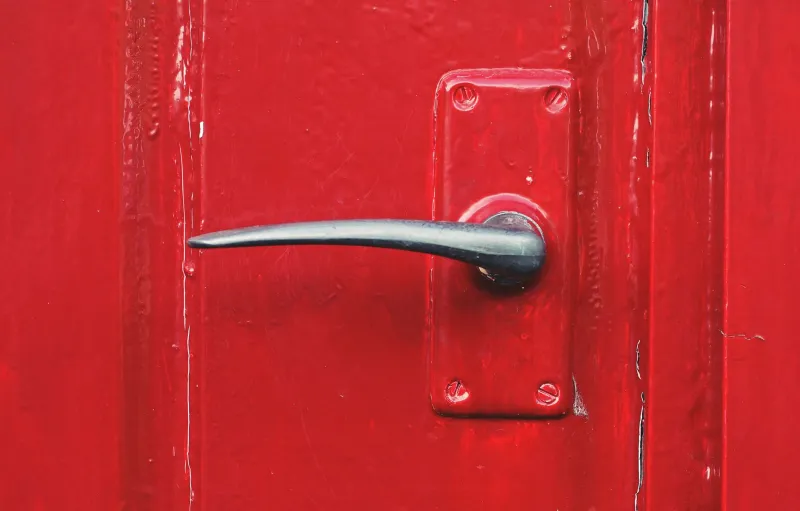
While you are checking the camera angle, give the door itself a once-over. Does the door close firmly without a rattle? Does the handle feel loose? Is the cylinder sticking out too far? Are there cracks or soft spots around the frame? Has the strike plate worked loose? On a uPVC or composite door, do the multipoint locks engage smoothly, or do you have to lift the handle in a particular way that nobody has explained?
If something feels off, get it looked at rather than adjusting the camera to compensate. A locksmith can check the lock meets a sensible standard, that the door is aligned and that the frame is doing its share. Insurance policies often have their own wording about locks, so keep any receipts and ask before changing hardware if you are unsure.
A sensible doorbell routine
Put the camera at a height that captures faces and the doorstep, not just the top of heads. Angle it to include the lock and the frame. Add lighting where you can. Check the battery and signal occasionally. And keep using the simple habits that actually keep a door shut: close it fully, lock it properly, don’t leave a spare key in a flowerpot and don’t let a camera notification replace a proper look before bed.
A video doorbell is a good assistant. It is a poor bouncer. Let it watch, let it record and let it help you decide whether to open the door. Then let the lock, the frame and your routine do the security work. That combination is far more reassuring than a camera on its own.