Beyond the Front Door: The Entry Points Burglars Notice Before You Do
Photo: Bill Nicholls , CC BY-SA 2.0, via Wikimedia Commons
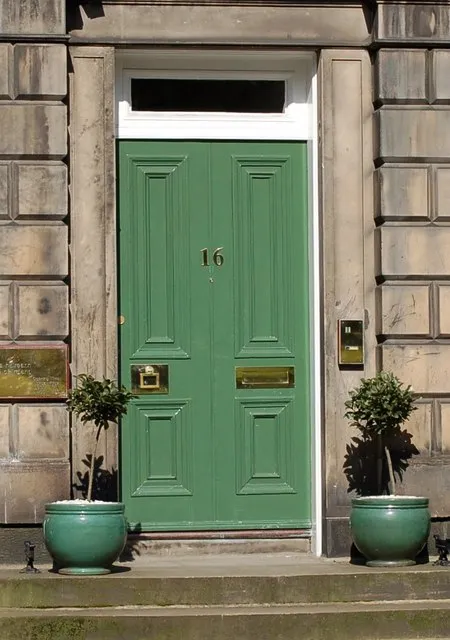
Ask a UK homeowner what they've done about security and you'll usually hear about the front door. A decent cylinder, maybe a new handle, possibly a smart lock with a camera in it. All fine. All useful. And all pointed at the one entrance a burglar is least likely to bother with, because it's overlooked by the street, lit, and usually covered by a neighbour's window.
The doors that get used are the ones round the back. The patio slider with the tired handle. The conservatory door that's been on the same lock since it was fitted. The garage link door that gets propped open all summer. Here's how we'd rank the forgotten entry points, cheapest and most effective first.
Ranked first: the side gate and the path behind it
This is the least glamorous upgrade on the list and probably the best value. A side gate that opens freely gives someone a private, unhurried route to the back of your house, out of sight of the road. That's not a small thing — it turns a two-minute smash-and-grab into a fifteen-minute browse.
What's worth fitting: a lockable gate latch or a good hasp and padlock, bolts top and bottom on the gate itself, and anti-lift brackets so the gate can't simply be heaved off its hinges. Expect to spend somewhere between £30 and £90 if you're handy with a drill, more if you want a joiner in.
While you're back there: move the wheelie bins. A bin stored under a back window is a step, and everyone in the trade knows it.
Ranked second: patio and sliding doors
The classic weakness here isn't the lock, it's the lift. Older sliding doors can be raised out of their track from outside and lifted clear, lock or no lock. Two anti-lift bolts fitted at the top of the frame put a stop to that for under £20 and half an hour of your time.
If you've got French doors rather than sliders, check what cylinder is in them. A euro cylinder without a snap-resistant rating is the single most common failure point on a modern back door. Look for TS007 three-star marking or Sold Secure Diamond — the actual standard, not a sticker that says 'high security' in a nice font.
A patio door bar or a purpose-made slider lock is worth fitting on anything that opens onto a garden with rear access. Budget £15 to £60.
Ranked third: the letterbox
A letterbox is a hole in your front door with a flap on it, positioned at exactly the height of a hand. People hang keys on hooks in the hallway, or leave them on the console table two feet away. Fishing rods, magnets and bent wire have been used for this for decades and they still work.
Two fixes. First, get the keys out of the line of sight — a hook round a corner, a drawer, a key cupboard. Second, fit a letterbox guard or restrictor cage on the inside, which runs about £15 to £40 and takes ten minutes with a screwdriver. Neither is exciting. Both close off a route that costs a burglar almost nothing to try.
Ranked fourth: conservatory doors
Conservatories are lovely in July and a security liability the rest of the year. They're often built from lighter profiles than a main door, fitted with a single lock, and they sit at the back of the house where nobody's looking.
Treat the conservatory door as a back door, not a garden feature. A multi-point lock upgrade or a purpose-made conservatory door lock is the meaningful spend here, typically £80 to £200 fitted. Key-operated window handles on the conservatory windows are also worth it — they're often the softest thing on the whole structure.
One honest caveat: if the conservatory is the only thing between the garden and the house, no lock is going to make it a fortress. Make sure the internal door between conservatory and house is solid and locked at night.
Ranked fifth: the garage link door
That internal door from the garage into the kitchen gets forgotten because it's technically inside. But garages are frequently left unlocked, or have a flimsy up-and-over door with a handle a child could pop. If someone gets into the garage, the link door is now your front door, and it's usually a hollow lightweight thing with a bathroom lock on it.
This one needs care, because a door between a garage and a home is normally required to be a fire door — solid core, self-closing, and correctly fitted. Don't compromise that by bolting extra hardware on and jamming it open. Get a fire-rated door with a proper five-lever mortice lock or a decent multipoint system, and keep it shut. Budget £60 to £150 for the door and hardware, more if the frame needs work.
The stuff that gets oversold
- Big bell boxes. A visible alarm does put some opportunists off, and that's genuinely worth something. But it's a deterrent, not a barrier, and it's the cheapest possible version of the product that gets sold hardest.
- Smart doorbells. Excellent for evidence and for telling the delivery driver where to leave the parcel. Largely useless as prevention, and the subscription adds up.
- Extra bolts on the front door. Fine in principle, but on a rented flat or a hallway with a fire escape route, they can cause more problems than they solve. Check before you drill.
- Key safes. The model barely matters. The location does. A key safe on a wall beside the door, in full view, saves a burglar a phone call to their mate with the bolt croppers.
- 'Anti-snap' as a marketing phrase. Ignore the language and check the standard marking on the cylinder itself.
The Sunday afternoon audit
Walk the outside of your house with a critical eye and a cup of tea. For every door, ask one question: if I locked myself out, how would I get in without damaging anything? Where the answer comes easily — a lifted slider, a letterbox within reach of the hall table, a gate with a loose latch — that's your next job.
Most of it costs less than a takeaway. None of it takes a weekend. And none of it requires you to rebuild the front door you've already sorted.