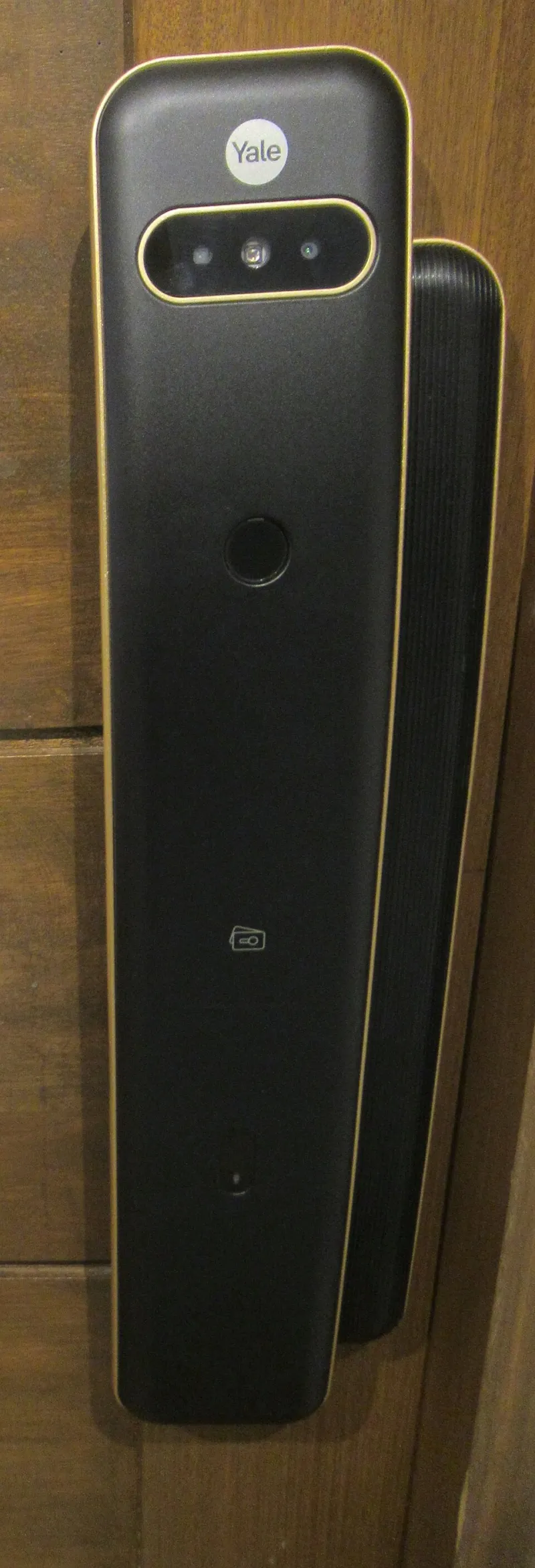
Before the Drill Comes Out: How to Vet a Locksmith Standing on Your Doorstep
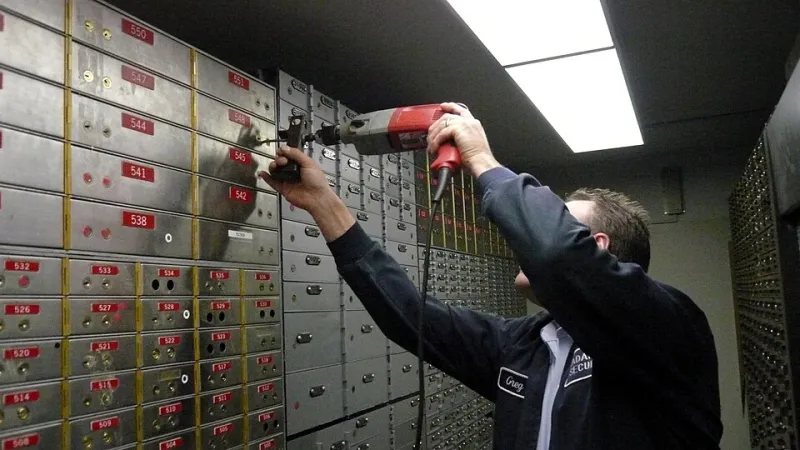
Photo: Cory Doctorow, CC BY-SA 2.0, via Wikimedia Commons
There is a particular kind of panic that comes with a key snapping in the lock at twenty past nine on a wet Tuesday. Your phone comes out, you type something like 'locksmith open now near me', and eleven minutes later a van pulls up. Somebody in a hoodie gets out, glances at your door, and says the words nobody wants to hear: 'Yeah, that's going to need drilling.'
The overwhelming majority of UK locksmiths are legitimate. They turn out in the rain, they charge a fair rate, and they leave you with a working door and a receipt. But the trade does have a tail end of chancers who make their money from people in exactly your position — stressed, cold, and in no mood to haggle. Knowing what to ask before the drill case opens is the whole game.
Question one: what's the registered name of your business, and where are you based?
A mobile number is not a business. Ask for the trading name and, ideally, a company number. Companies House is free to search and takes about thirty seconds. If the name they give doesn't exist anywhere, that tells you plenty.
This matters more than it used to, because a lot of online 'local' locksmith listings are lead-generation sites. Your call gets passed to whichever van is nearest, and the price you were quoted on the phone was a bit of fiction designed to get someone to your door.
Try: 'Can you text me your company name and address before you set off?' A genuine firm will do it without blinking.
Question two: what is the total price, including VAT and any drilling?
Get one number. Not a call-out charge plus labour plus parts plus the mystery of VAT. Ask them to put it in writing — text or email is fine — before any work begins.
Useful wording: 'Before you touch anything, I need the full total: call-out, labour, parts, VAT, everything. Can you send that to me in a message?'
If the figure on the doorstep later creeps upwards because 'that's a specialist lock, love', you now have a written quote and a very simple conversation. Also ask whether they take card. Cash-only with no VAT number is a shortcut to having no comeback at all.
Question three: are you MLA approved, or can you show ID?
The Master Locksmiths Association runs an Approved Company scheme, and its members are vetted and inspected. It isn't a legal requirement to join, so a locksmith without it isn't automatically dodgy — but it's a genuinely useful filter at nine o'clock at night. Insurers and letting agents often look on it kindly too.
While you're there: ask for a surname and a photo of their trade ID. Scammers hate being identifiable.
Question four: will you try non-destructive entry first, and do I get the old lock back?
Drilling is a last resort, not a first move. A competent locksmith should be able to talk you through picking, a letterbox tool, or a bump-resistant approach before metal meets metal. Ask directly: 'Are you going to try to get me in without destroying the lock?'
And ask what happens to the cylinder afterwards. A trader who whips the old one into their pocket and drives off has removed the only physical evidence of what they did to your door.
Question five: what exactly will the invoice say?
An itemised invoice should show the business name, the date, the work carried out, the parts fitted, and the VAT if they're registered. Photograph the door before and after. This sounds fussy. It isn't.
If you rent, that paperwork is what stands between you and a deposit deduction you didn't cause. If you own, it's what your insurer will ask for if a claim follows. Keep it in your phone's photos folder alongside the pictures.
The red flags worth trusting your gut on
- No signwriting on the van, no ID, no surname.
- A price quoted over the phone that doubles once they're standing in your hallway.
- Drilling within sixty seconds of arrival, before anything else has been tried.
- Pressure language: 'I've got another job in twenty minutes, you need to decide now.'
- Being told the lock you already had was 'illegal' or 'not up to standard' with no explanation.
- Cash only, no receipt offered, no VAT number on anything.
- A lock fitted that you didn't ask for, followed by a demand for payment.
What to say if you're being pushed
You are allowed to stop the job. You are allowed to ask someone to leave your property. You are allowed to pay for what was actually agreed and nothing more.
Some words that work: 'I'm not comfortable with that price. Please stop work and leave. I'll pay the amount we agreed and I'd like an invoice before you go.'
If they refuse to leave, that's a matter for the police on 101 — or 999 if you feel threatened. Keep any messages, quotes and receipts. Citizens Advice runs a consumer helpline on 0808 223 1133, and they can point you towards Trading Standards.
If you're a tenant, add two steps
Ring your landlord or letting agent first, even if it's late. Most tenancies have an emergency contact for exactly this. If you can't reach them and you genuinely can't get in, you're within your rights to arrange entry — but keep it proportionate, keep the receipts, and don't let anyone swap the cylinder without written agreement. Changing the locks on a rented home without consent is a quick route to a dispute you won't enjoy.
The calm version of this advice
Find your local locksmith before you need one. Ask in a neighbourhood group, check the MLA directory, save the number in your phone under something you'll actually spot. Then, when the key snaps, you're making a phone call rather than taking a gamble — and nobody is drilling your door while you work out whether you trust them.