Lift, Shove, Jiggle: What to Do When Your uPVC Front Door Stops Locking This Autumn
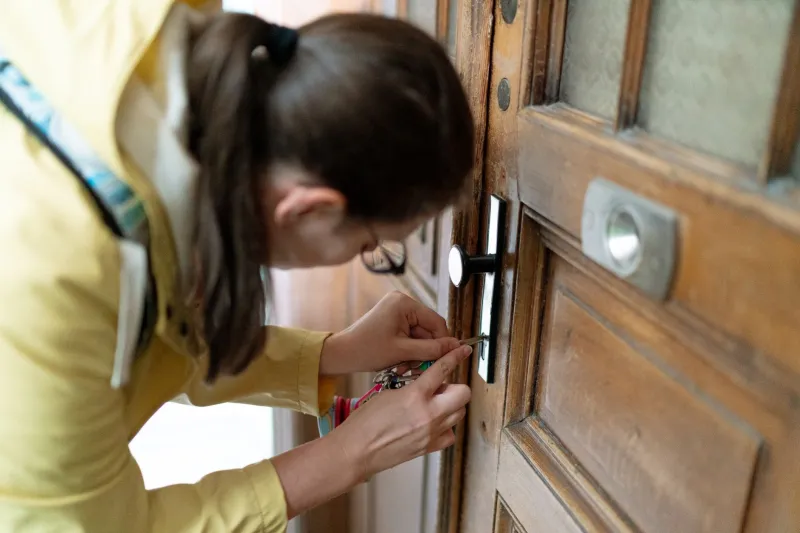
November 2026 has arrived with the usual package: dark school runs, damp coats, and a front door that suddenly behaves as if it has forgotten how to close. One evening the key turns fine; the next, you are lifting the handle, nudging the door with a hip, and wondering whether you have a security problem or just a seasonal sulk. In most uPVC doors, it is the latter far more often than you would think.
First rule: do not force the handle
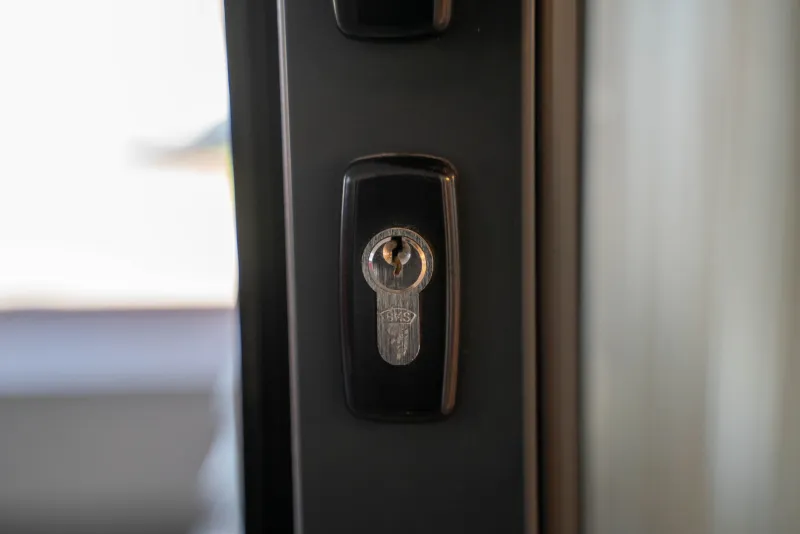
If the key stops halfway, or the handle feels like it is pushing against a brick, stop. A uPVC multipoint lock is a set of hooks, rollers and bolts working together. Forcing a stubborn handle can bend the mechanism, chew the gearbox, or snap a key in the cylinder. That is how a small alignment issue becomes a locksmith call-out on a wet Tuesday.
The open-door test
Before you blame the lock, try the simplest safe check. Open the door, keep it open, and try the key and handle. If everything moves smoothly when the door is open but stiffens when it is closed, the lock is probably fine. The door, frame, hinges or keeps are out of line. If the key is gritty or the handle is floppy even with the door open, the lock itself needs attention.
Look for rub marks, gaps and draughts
Close the door gently and look down the edges. Is the gap even? Are there shiny rub marks on the frame or striking plates? Can you see daylight at the top corner? A door that has dropped often catches at the bottom or needs a lift to meet the top lock. Autumn temperature changes, a heavy door settling on its hinges, or a loose hinge screw can all nudge things out of true. uPVC does not swell like timber, but it does move with temperature, and the seals compress in cold weather.
Misalignment or failing lock?
Here is a rough guide. Misalignment usually means the door needs a lift or a push, the handle works but feels tight, the key turns with the door open, and you can see where it is catching. A failing lock often gives different clues: grinding inside the door, a key that will not go in, a cylinder that spins, a handle that flops, or a door that will not lock even when open. If you have any of those lock symptoms, do not keep trying the key like you are starting a vintage car.
Hinges, keeps and gentle checks
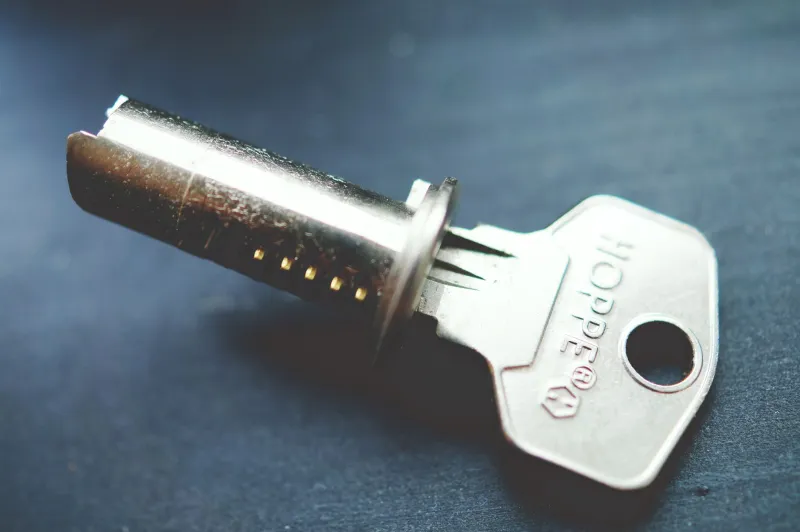
Check the hinges first. Are the screws tight? Is there rust or black dust around the hinge pins? Do not overtighten every screw in sight; if a hinge is worn or the door has dropped, a proper adjustment is better than a guess. Look at the keeps, the metal plates on the frame that the bolts shoot into. If they are loose or the bolts are missing them, the door will feel like it is locking but the security is not there. A light silicone spray on moving metal parts can help, but keep oil and random household sprays away from the cylinder.
When to call someone
Call a locksmith if the door will not open or close at all, the key has snapped, the cylinder is loose or spinning, the handle no longer lifts the mechanism, or you have adjusted a hinge and the door still catches. Also call if you are renting and the door has failed: your landlord should arrange the repair, and you should not be drilling anything yourself. A reputable locksmith will check alignment before quoting for a new lock. If someone turns up and says you need a full replacement before they have even looked at the hinges, get a second opinion.
An autumn habit worth having
Once the door is working, spend five minutes on it before winter. Clean grit from the threshold, wipe the seals, check the hinges and test the key with the door open and closed. Keep a spare key somewhere sensible, not under the mat. If the door needs a lift every time, book an adjustment now rather than waiting for a cold snap to make it worse. Most importantly, do not prop the door open while you bring in shopping or take out the bins; a door that is not closed is not locked, even if the key is in your pocket.
The reassuring bit
A uPVC door that suddenly needs a lift in autumn is usually telling you about alignment, not a burglar in waiting. Treat it as a maintenance nudge. Check gently, avoid forcing, and call in help if the lock itself is misbehaving. A door that closes cleanly, locks smoothly and sits flush in its frame is doing its main job: keeping the weather out and your home secure.