The Door That Never Latches: A Flat-Dweller’s Guide to Communal Fire Doors
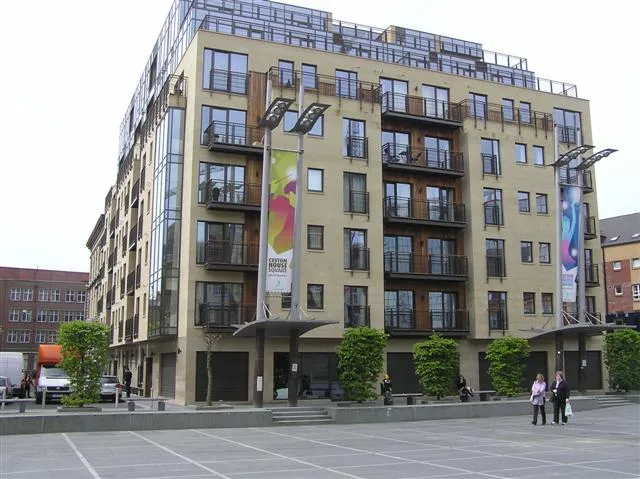
Photo: Kenneth Allen, CC BY-SA 2.0, via Wikimedia Commons
There’s a particular sound in a block of flats that tells you a lot about the building: the soft clunk of a communal door failing to latch. Not a slam. Not a lock engaging. Just a wooden or metal edge meeting a frame and giving up halfway.
Often there’s a wedge involved. Sometimes a folded piece of card. Occasionally a fire extinguisher, a bin, or a potted plant doing a job it was never designed for. The intention is usually harmless — someone is carrying shopping, moving a buggy, waiting for a delivery, or just tired of hauling a heavy door open every time they pop out. But in a UK block of flats, that small convenience can quietly undermine two things at once: building security and fire safety.
At Leethel Locksmith, we spend a lot of time looking at front doors. The communal door is the one everyone shares, and it is often the one nobody feels responsible for. That’s exactly why it deserves a closer look.
Why the wedge feels harmless — and isn’t
A propped door feels neighbourly. It stops the door banging, helps airflow, and saves a few seconds. But a communal entrance door is a security boundary for every flat behind it. When it is wedged, taped, or left on the latch, anyone walking past can enter the hallway without a key, a fob, or a buzz. That includes couriers, canvassers, and people who are simply curious about what’s inside.
Most burglars prefer the path of least resistance. A shared hallway gives them somewhere to stand, listen, and try flat doors without being visible from the street. If your building’s outer door is routinely open, the first layer of defence has gone. Your own front door still matters enormously, but it is now the only layer doing the work.
Fire doors are a separate issue, but the same habit affects them. A flat’s front door and the doors onto communal stairwells are often fire doors. They are designed to hold back smoke and flames long enough for people to get out. A wedge defeats that design in seconds. It is not just a security shortcut; it is a fire safety shortcut with worse consequences.
The insurance question, without the scare stories
It is tempting to say a propped door automatically invalidates your contents insurance. That is too blunt. Insurance is about what is reasonable, what was disclosed, and what the policy actually says. But it is fair to say this: insurers expect a property to be left with reasonable security in place. If a communal entrance is persistently unsecured, and a claim follows, questions may be asked about the building’s management and the resident’s own door security.
For renters, the key point is usually your tenancy agreement and the building’s communal rules. For leaseholders, it may be the lease and the building’s fire risk assessment. Neither document is likely to say “please wedge the door open”, and many will specifically ask residents not to obstruct self-closing doors. If you are unsure, ask your landlord, letting agent, or building manager rather than relying on hallway folklore.
How to tell a communal door isn’t closing properly
Not every faulty door has a wedge in it. Some are simply out of adjustment. A door that needs a firm shove, springs back open, or never quite meets the latch is a door worth reporting. You don’t need to be a locksmith to spot the basics.
- Listen for the latch. A working door should close and make a positive click or clunk. If it swings shut silently and stays loose, the latch isn’t engaging.
- Look at the gap. Stand inside and look around the edge of the door. A noticeable gap along the top or side can mean the door has dropped, the frame has moved, or the seals are worn.
- Test the self-closer — gently. Open the door a little and let it go. It should close on its own from a modest angle, not need a push, and not slam violently. If it drifts open or has to be helped, the closer needs adjusting.
- Check the handle and latch area. A loose handle, a stiff latch, or a strike plate that has shifted can stop the door latching even when the closer is fine.
- Look for temporary fixes. Cardboard, tape, wedges, string, or a bin in the doorway are signs that someone has decided the door is a nuisance. The nuisance may be real; the fix isn’t.
If you live in a building where the communal door is often left open, take a photo of the issue and note the time. A building manager can act on a specific, repeated problem far more easily than a vague complaint.
What renters and leaseholders can reasonably ask for
You are not asking for a fortress. You are asking for a door that does what it was installed to do. A polite, specific request works best: “The communal door onto the street isn’t latching properly and is being wedged open most evenings. Could the self-closer and latch be checked?”
Reasonable requests include:
- Adjusting or replacing a faulty self-closing device.
- Repairing a latch, strike plate, or handle so the door closes cleanly.
- Replacing missing or damaged smoke seals and intumescent strips where they are part of the door’s fire performance.
- Putting up a clear, non-confrontational notice asking residents not to prop fire doors.
- Reviewing fob or key access if the outer door is being left open because it is genuinely difficult to use.
If you rent, report it to your landlord or letting agent as well as the building manager. If you own the lease, raise it with the managing agent and ask that it be logged. Keep it factual: the door is not latching, it is being propped, and it is a shared security and fire safety concern. That is not being difficult. It is being a useful neighbour.
A small habit with a big effect
The wedge in the fire door is not usually malicious. It is a sign that a building’s day-to-day routine has drifted away from its design. The fix is rarely dramatic: adjust the closer, repair the latch, explain why the door matters, and make sure residents know how to report a fault.
Your flat’s front door is still your main line of defence, and it is worth keeping in good order. But the communal door is the gate to the whole building. If it never quite latches, that is worth mentioning — calmly, clearly, and before it becomes someone else’s problem.