Three Numbers Before You Click Buy: Sizing a Euro Cylinder for a UK Door
Buying a replacement euro cylinder should be a five-minute job. In practice, it often turns into a second trip to the shop, a parcel return, or a front door that suddenly will not lock because the new cylinder is a few millimetres out. The culprit is rarely the lock itself. It is usually the measurement.
Euro cylinders are common on uPVC, composite and many timber doors across the UK, and they are sold in a confusing range of lengths. Two cylinders can look almost identical on a shelf and still be wrong for your door. The good news is that the numbers are not difficult once you know what you are measuring.
What A, B and C actually mean
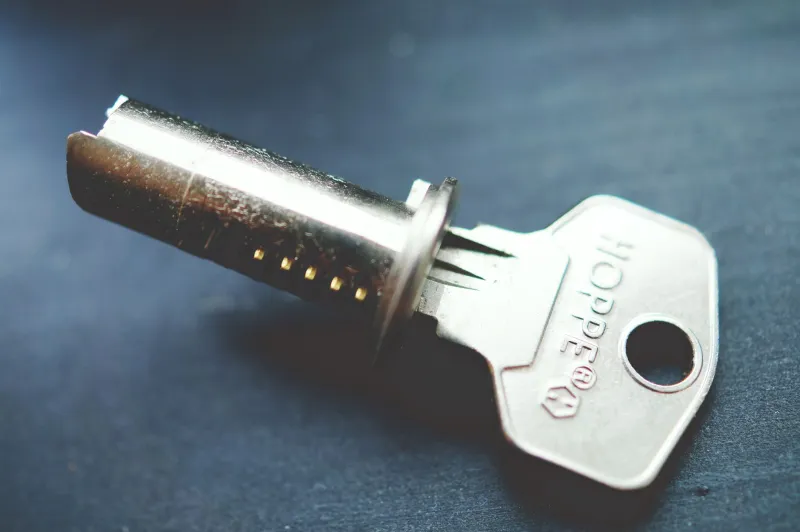
A euro cylinder has a retaining screw hole roughly in the middle, though not always exactly in the middle. The measurements that matter are taken from the centre of that screw hole to each end of the cylinder.
- A is the distance from the centre of the screw hole to one end, usually the external side.
- B is the distance from the centre of the screw hole to the other end, usually the internal side.
- C is the overall length, which is simply A plus B.
That is the basic idea. The awkward part is that many UK suppliers list cylinders as A x B, while others list the overall length. Some use external and internal labels. If you order a 40 x 45 cylinder and your door needs 45 x 40, the total length may be the same but the offset will be wrong. On an offset cylinder, that matters.
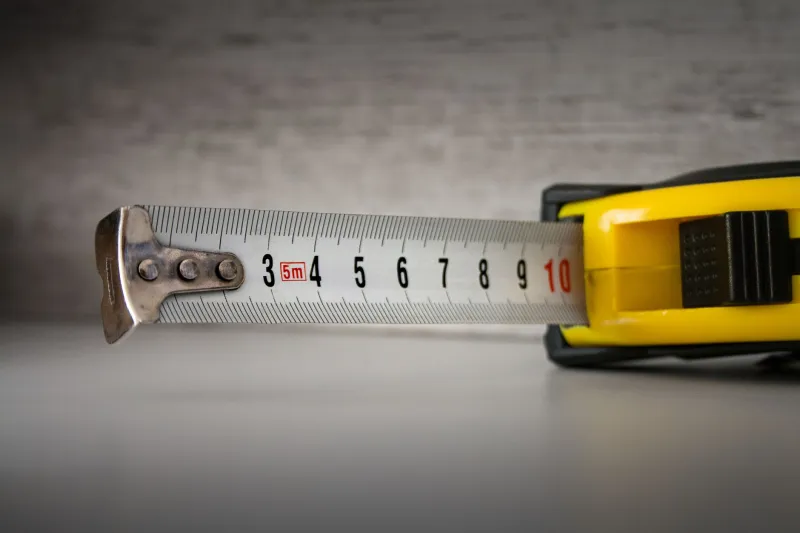
Before you remove anything, label the external and internal sides. Take a photo. Then measure from the centre of the fixing screw hole to each end, to the nearest millimetre. A steel ruler is often easier than a soft tape measure because it stays straight. Do not measure the old cylinder while it is still half in the door and guess from the outside. Handle plates, escutcheons and rounded end caps can easily add a couple of millimetres of confusion.
The safe way to measure without creating a bigger problem
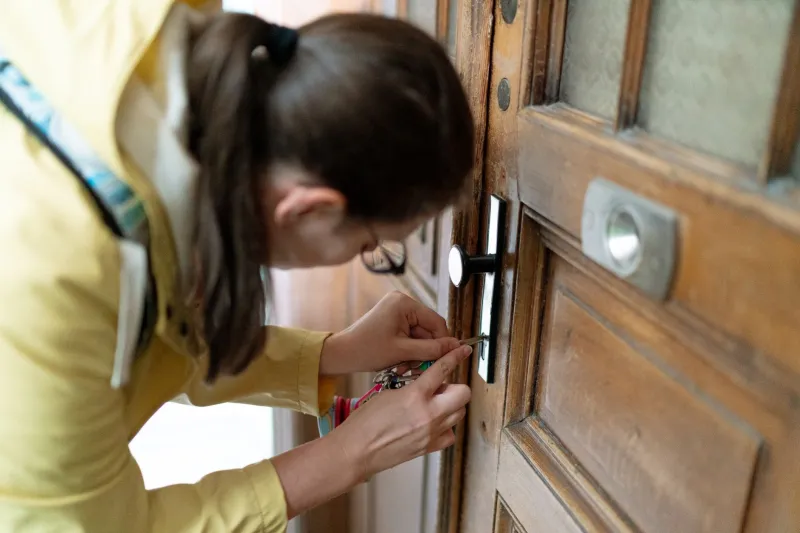
If you are confident, you can usually remove a euro cylinder by taking out the retaining screw that sits in the door edge, level with the cylinder. Slide the cylinder out gently. If it will not move, stop. Do not force it with a screwdriver or wiggle the key while the door is shut. A stuck cylinder can mean misalignment, a damaged lock case or a security door that needs proper attention.
Once the cylinder is out, measure it on a flat surface. Check A, B and C. Then check them again. If the cylinder has a thumb-turn on one side, note which side it came from and whether the new one needs the same configuration. A thumb-turn is convenient, but it is not automatically suitable for every door, especially flat entrance doors or doors covered by building safety rules.
If you would rather not remove the cylinder, you can get a rough idea by measuring the door thickness and the amount the cylinder protrudes on each face. Treat that as a cross-check, not gospel. The accurate number is the one taken from the screw hole centre to each end.
Door thickness and backset are not the same thing
This is where a lot of people go wrong. Door thickness is not the cylinder length. A 44mm door does not automatically take a 44mm cylinder, because the cylinder has to sit correctly within the lock case and the handles or escutcheons.
Backset is another number altogether. It is usually the distance from the door edge to the centre of the cylinder or spindle. Backset matters when you are changing the lock case, the handles or the whole locking arrangement. It is not the number you use to order a cylinder on its own. If a shop asks for backset and you give them cylinder length, you will end up with the wrong part.
Where uPVC, composite and timber doors differ
uPVC doors often use multipoint locking, and the cylinder may be offset rather than symmetrical. The external side should not stick out more than necessary. A cylinder that sits proud gives more purchase to anyone trying to attack it. Many locksmiths aim for a flush fit or only a few millimetres of protrusion on the outside, but always check the cylinder manufacturer's guidance and any insurance requirements.
Composite doors are thicker and often have their own quirks. Do not assume that because a neighbour's door took a certain size, yours will. Composite door slabs, handles and lock cases vary. If the door is a flat entrance door, it may also need fire-rated hardware. Swapping that casually is not a good idea.
Timber doors can be older and less predictable. The cylinder may be in a mortice lock with a different backset, and the door may have moved with the seasons. A cylinder that measures correctly on the bench can still bind once fitted if the door is out of alignment. If the key is stiff or the door needs lifting to lock, fix the alignment issue rather than buying a longer cylinder to paper over it.
When a slightly wrong size becomes a security problem
A cylinder that is too long on the outside is not just untidy. It can give a burglar something to grip, and on some lock designs it can make snapping easier. A cylinder that is too short may leave a gap, fail to engage properly or make the door difficult to lock. On an offset cylinder, getting the split wrong can put the weaker or more exposed side in the wrong place.
There is also the simple practical problem: a cylinder that does not fit can leave you with a door you cannot secure. That is why measuring twice is worth the effort. If you are replacing a cylinder for security reasons, make sure the new one is suitable for the door and fitted correctly. Anti-snap, anti-bump and anti-pick features are useful, but they only help if the cylinder is the right size and installed properly.
When to stop DIYing and call a locksmith
Put the tape measure down and call a professional if the cylinder will not come out, the retaining screw is rounded, the door has dropped, the multipoint lock is jammed, or you are dealing with a rented property where you do not have permission to change the locks. The same applies if you live in a flat with a shared entrance door, if the door is fire-rated, or if you have already ordered one wrong cylinder and are tempted to make the second one fit.
A locksmith can measure the door, identify the lock case, check the backset and supply a cylinder that suits the door rather than just the hole. That is often cheaper than repeated returns and a door that will not lock on a dark November evening.
A quick checklist before you order
- Label external and internal before removing the old cylinder.
- Measure from the centre of the fixing screw hole to each end.
- Record A, B and C in millimetres.
- Check whether the cylinder is offset or symmetrical.
- Note any thumb-turn side and whether it is suitable for your door.
- Check door thickness and backset separately.
- Confirm the new cylinder does not protrude unnecessarily on the outside.
- If the door is rented, fire-rated or part of a flat entrance, check before swapping hardware.
A replacement cylinder is a small part, but it is doing a big job. Get the three numbers right and the fitting is usually straightforward. Get them wrong and the door will tell you immediately.